Hunting Old Trails with Dillon Osleger
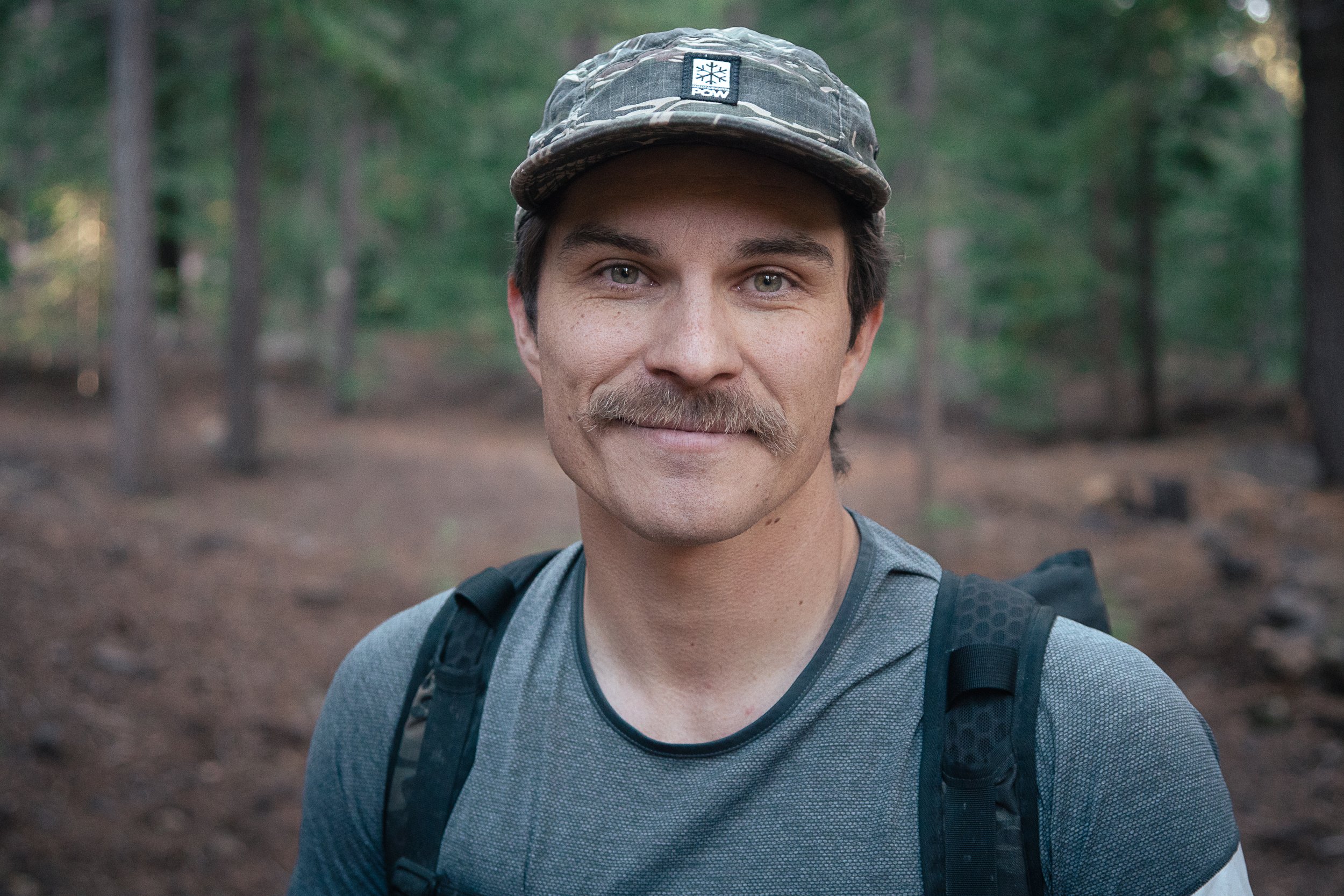
Osleger outside his home in Truckee, CA.
“These are my work trucks,” Dillon Osleger said as he pulled out two mud-crusted electric mountain bikes from his garage. I was grateful to have the motor-assist; it gave me at least some chance of keeping up with Osleger in the thin mountain air in Truckee, California. After years as a professional mountain biker, Osleger grew tired of the scene. “I was being paid reasonable money to go race those trails. It's boring. There's no soul-based fulfillment, no learning, there's no questions.”
So Osleger began traveling off the beaten path not to escape trails, but to find them. “Old trails are a chance to connect and understand where a place comes from,” he told me. “They impart a feeling when you're on them, an understanding that where you are is where other people have stood.” Osleger’s passion for hunting down old trails inspired his debut book, Trail Work: Restoring the Paths and Stories of America’s Public Lands, which was released this May from Heyday Books.
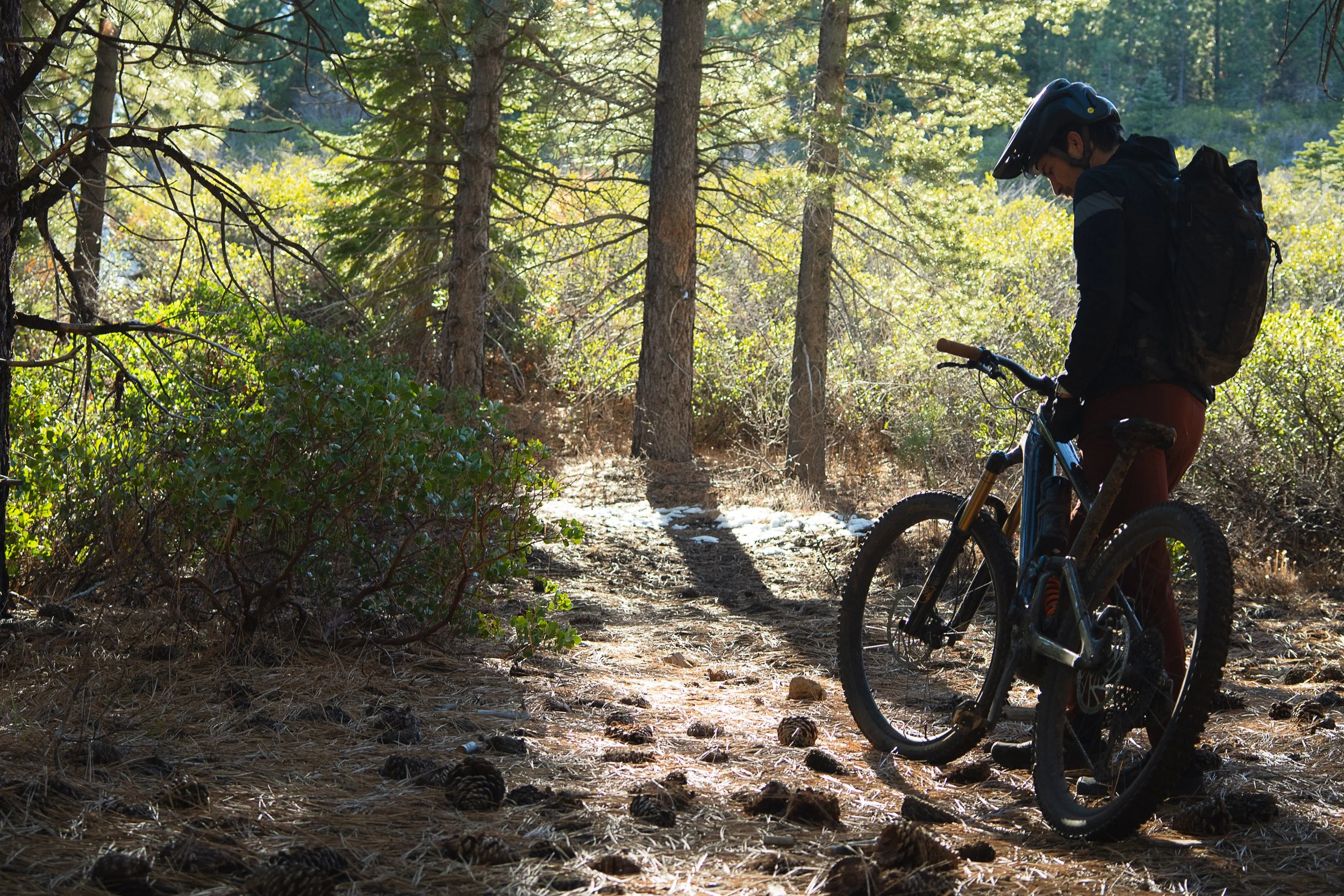
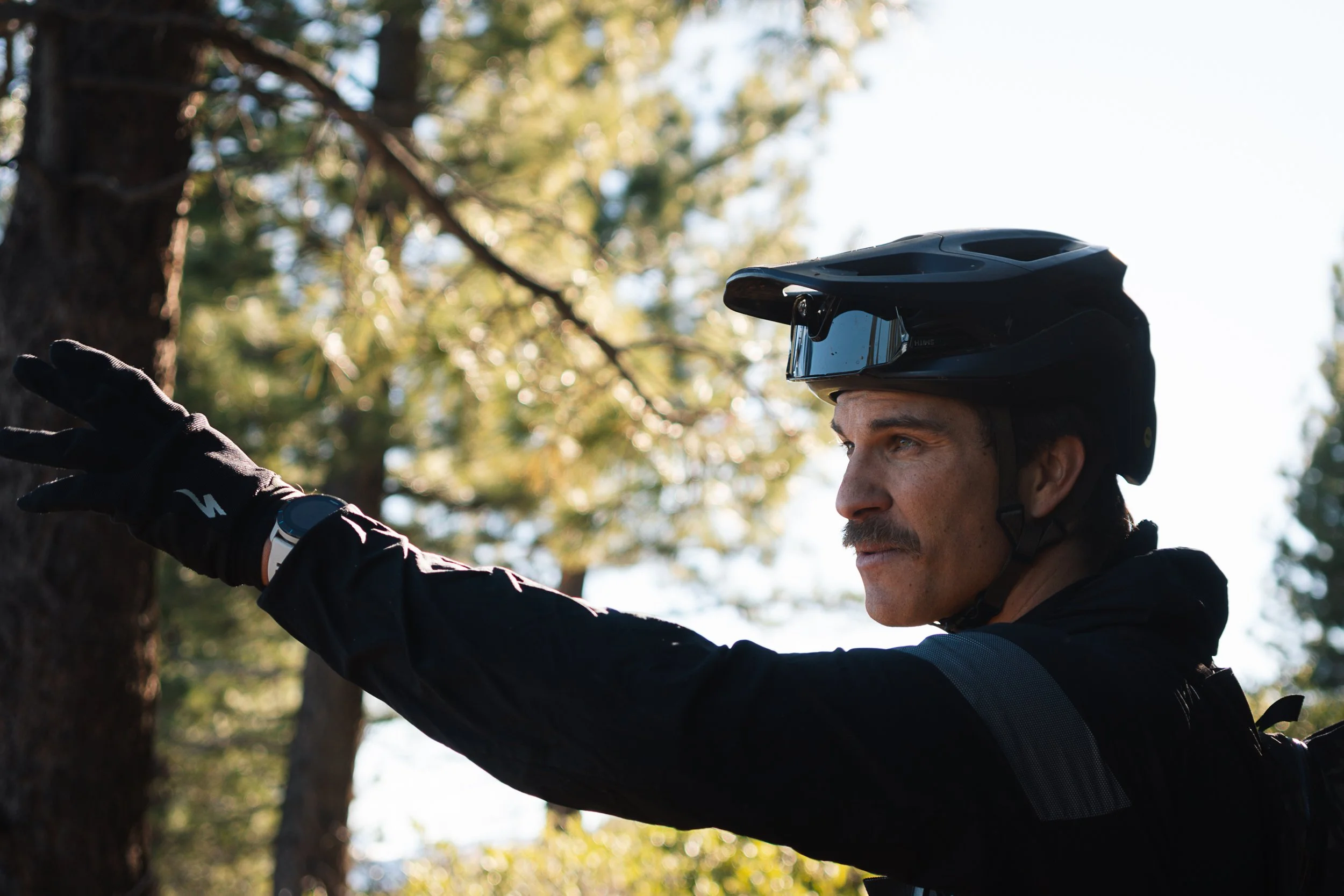
We wheeled our bikes into the frosty December morning, riding cautiously over frozen streets and hard-packed snow. We soon entered a fragrant forest of Jeffrey and sugar pine, pausing here and there so Oselger could point out the clues he looks for when hunting old trails.
“One of my favorite things about old trails is they reward you with finding them by understanding place," he explained. “Until you understand how an environment changes with disturbance and through seasons can you pick up the different threads that tie you together to see the full picture.”
Vegetation is just one clue to hunting down old trails. Before leaving home (or the local historic society, where he is a regular), Osleger pours over old maps, historic photographs, and aerial imaging to find old trails. Since many trails started as indigenous footpaths before being co-opted by settlers and miners, he also researches indigenous histories, pictographs, and place-names. He showed me a long list of Washoe words on his phone he’d been working on memorizing.
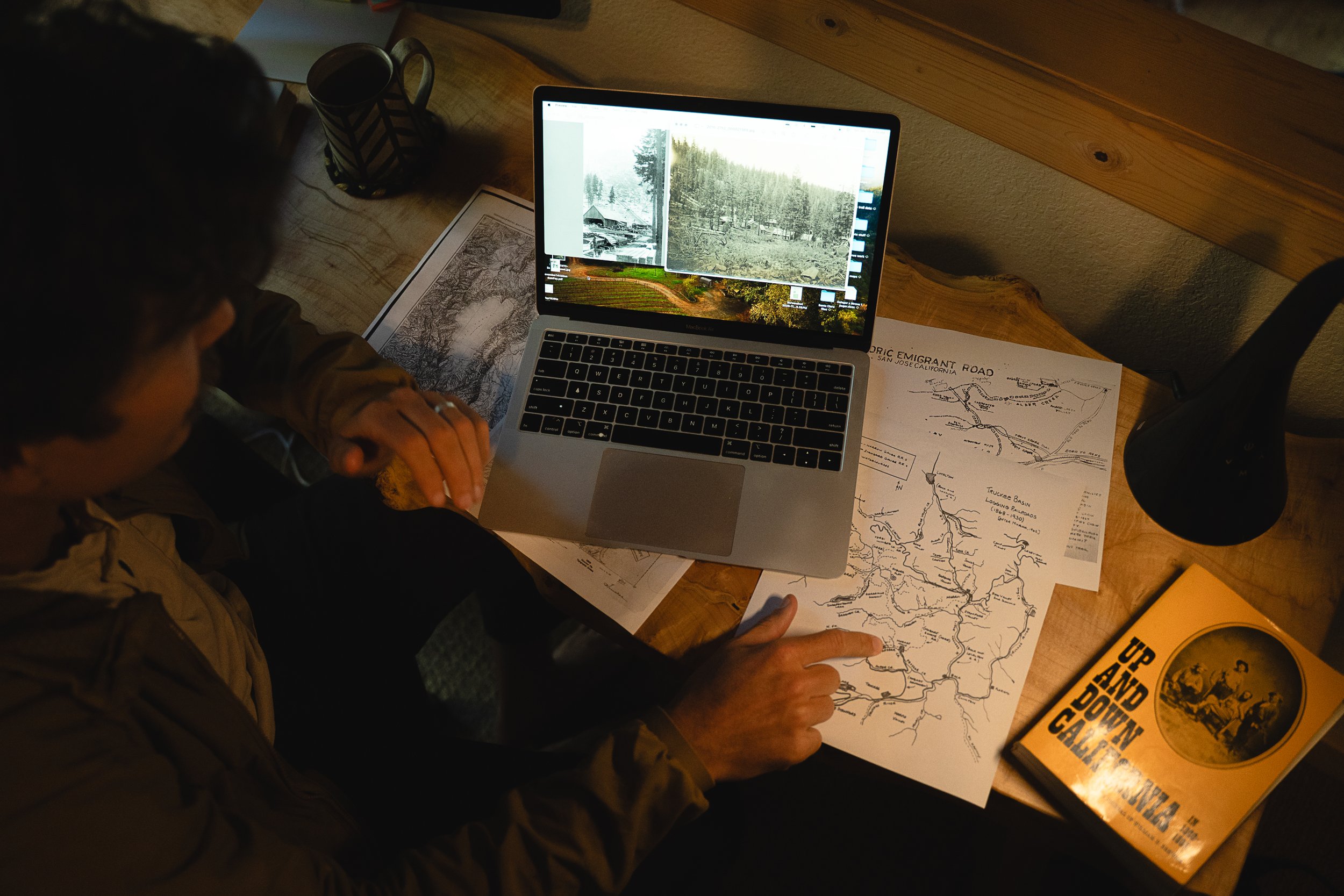
Before heading out, Osleger cross-references historic maps, archival photos, and modern GPS maps.
Out in the mountains, we looked for more clues. One indicator is what biologists call “vegetation type conversion,” which describes when an environment undergoes a significant change in its biotic community. He gestured at a sunny hillside. “All of this ceanothus is here because they clearcut this area.” Where most people would merely see the presence of one plant community—a woody shrub ceanothus—Osleger sees the conspicuous absence of trees, which reveals the history of logging in the area, and therefore, the likelihood of old logging trails as well. Other clues include cut tree stumps, bits of historic debris, old signs nailed to trees, and irregular land forms that suggest something humanmade.
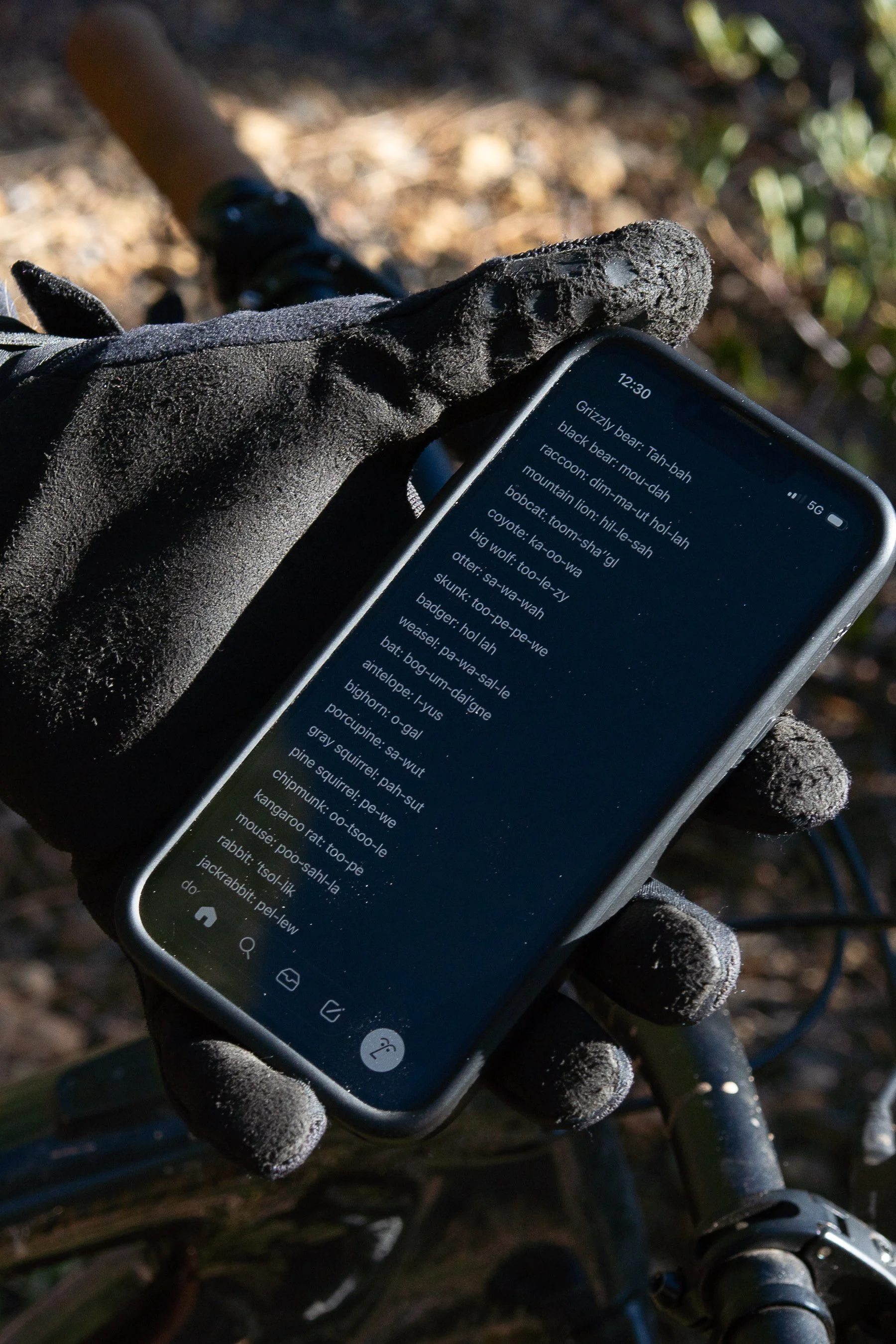
A list of Washoe words Osleger keeps handy.
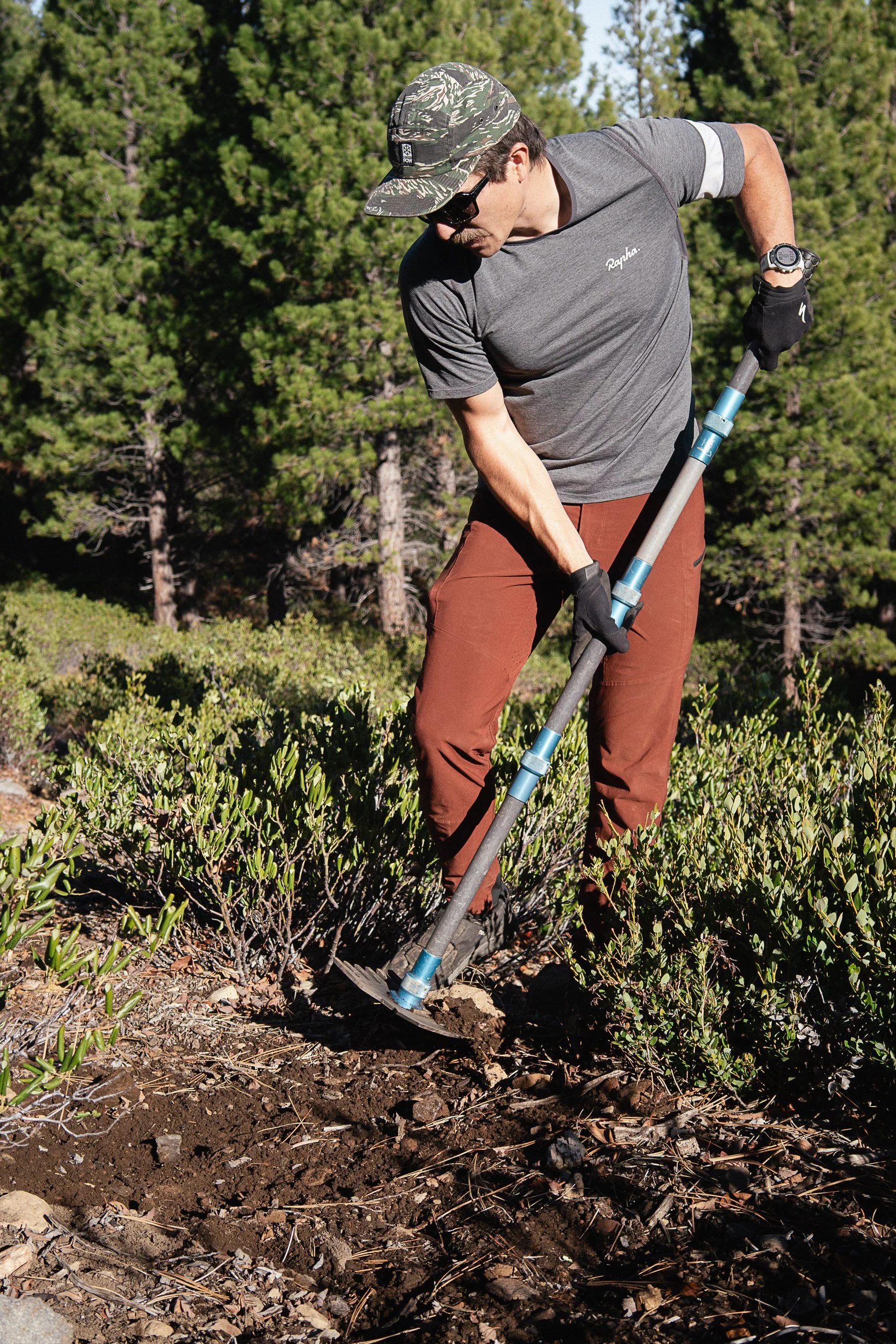
Osleger cleans up a section of historic trail.
Osleger’s interest in old trails goes far beyond just his interest in history. He believes that while many new trails have a shallow, generic quality to them, historic trails are an opportunity to connect with our fellow humans and the land through time and space.
“Outdoor recreation as a whole has gone pretty far down the world of me and self-idolization. If you treat nature like a gym outside, that's what it becomes—a piece of privatized infrastructure. For me, public lands are more like libraries where you can go to connect and understand and broaden your worldview. If you don't have questions after going outside, you weren't looking. You can go further and you can go faster, but I would much rather do circles and go deeper.”
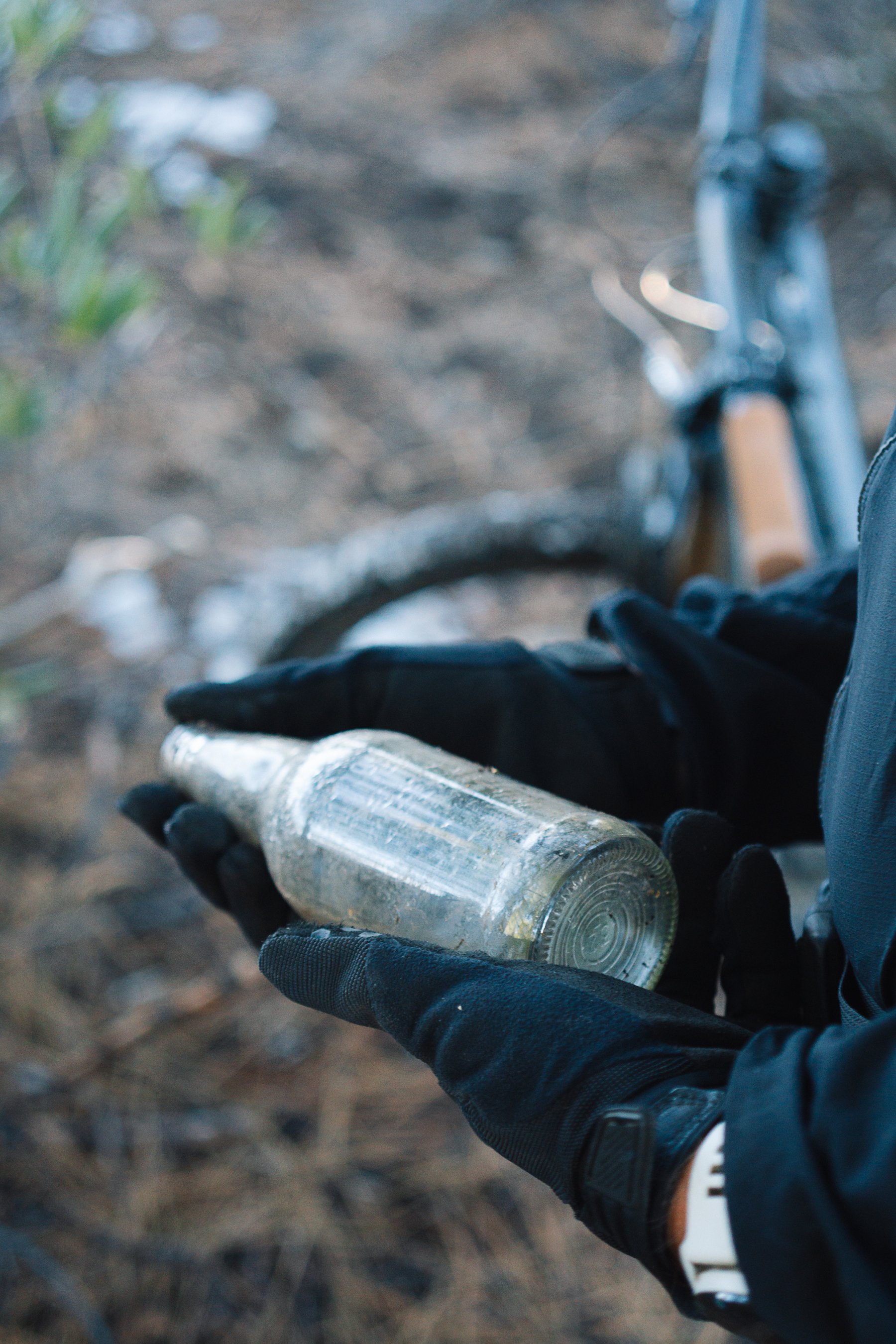
While tracing historic trails, Osleger looks for artifacts such as bottles, mining debris, and railroad spikes.
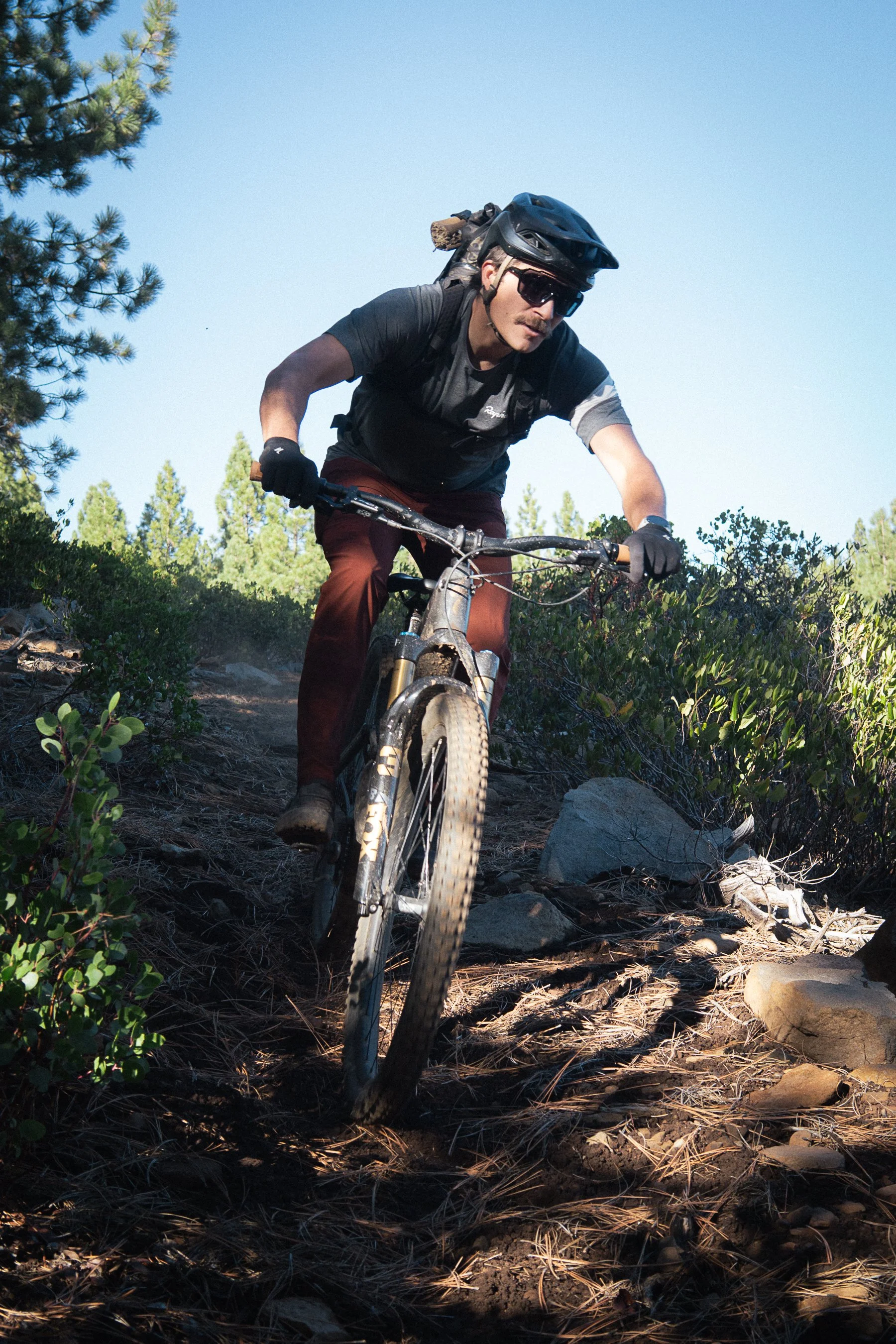
Osleger test riding a section of restored trail.
I followed Osleger into a steep section of trail, and we dismounted the bikes to push our way through a dense corridor of manzanita. This was an offshoot of the Emigrant Trail, he explained. The ill-fated Donner Party had camped nearby and it’s possible they traversed this ridge before the miners came, and the loggers after them. He pulled out a collapsible McLeod and a handsaw and worked on widening the choked-in trail.
“I'm not a big ghost guy, but I do believe there's a lot of stories in place. Maybe a lot of times that's what I'm doing this trailwork for. It's fine, I can hear 'em. And sometimes people just wanna be heard and I don't really care if they're alive or not.”
Osleger’s book, Trail Work: Restoring the Paths and Stories of America’s Public Lands is a love letter to California’s historic trails, and a rallying cry to preserve them. Learn more about this book and purchase it here.
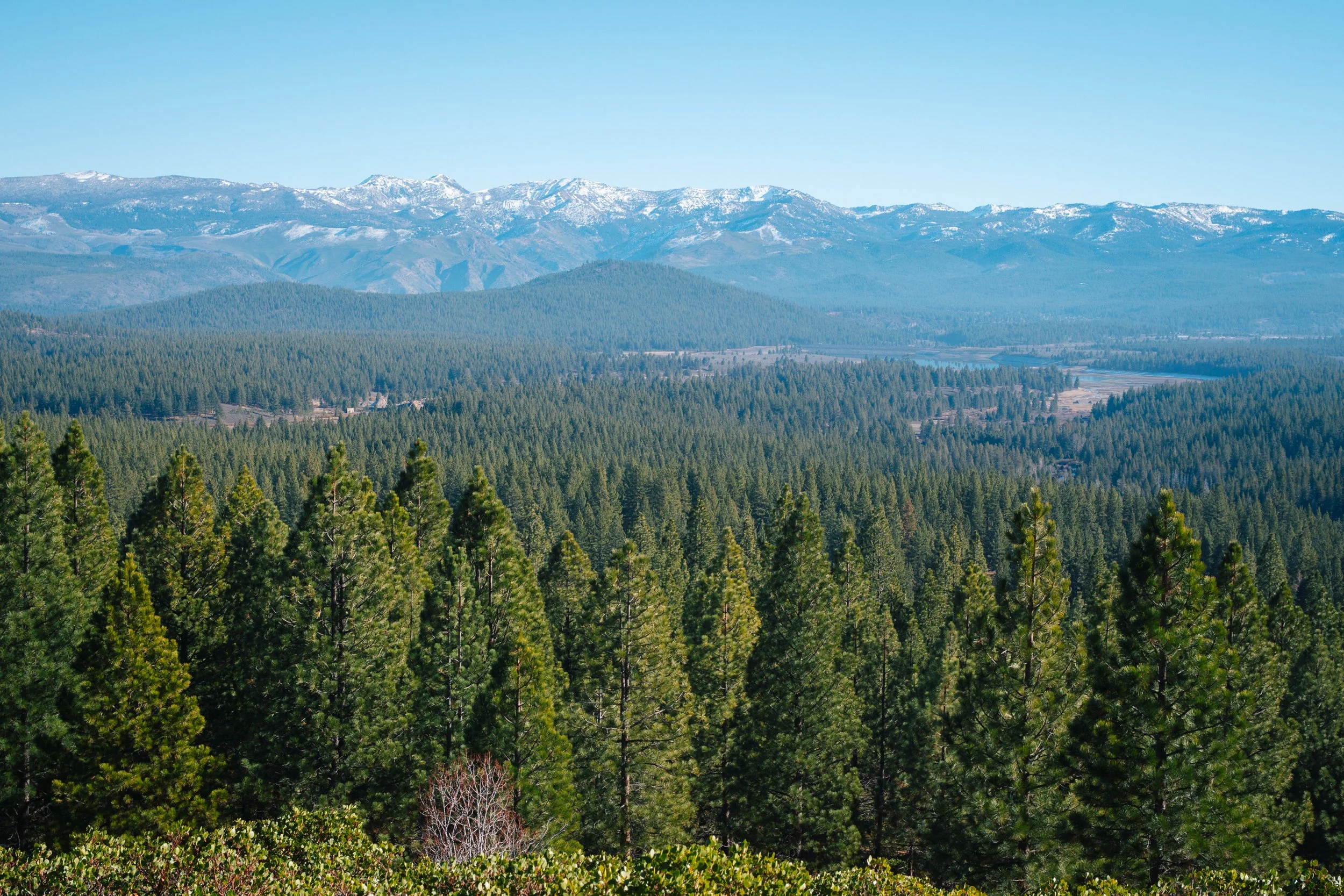
Views from the Emigrant Trail, looking east.